80% of UK Students Face Financial Hardship from COVID-19
NUS found that 80% of UK students are worried about managing their finances during coronavirus, with income, rent, jobs, and mental health all affected.
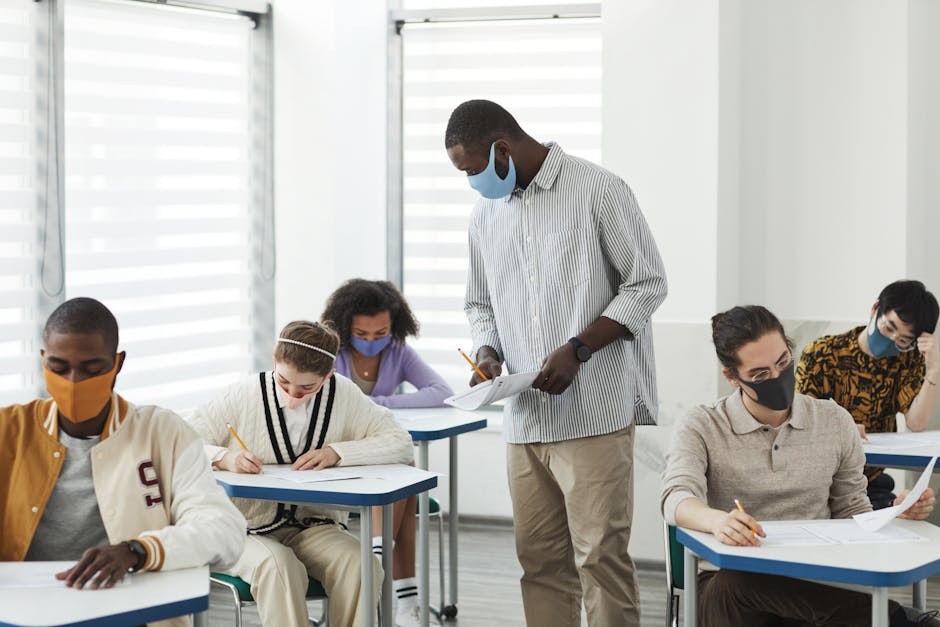
National Union of Students (NUS) published a report last week showing that 80% of students are worried about how they will manage their finances because of coronavirus.
The report is based on a survey of 9,872 students carried out between March 27 and April 6, and examines the impact of coronavirus on university students.
We spoke to Harrison Reid, a sports broadcasting master's student at Solent University Southampton, about the financial impact coronavirus has had on him.
Why are students worried about money?
The report shows that students are becoming increasingly concerned about the financial impact of coronavirus.
The pandemic has had a major effect on students' finances for several reasons:
- Overall income has fallen, as part-time jobs have been suspended and students have been laid off.
- Rent still has to be paid, even if students have already moved back home.
- Concerns about graduate employability have increased, as employers are currently less willing to hire and a recession may be looming.
- Students are still paying full tuition fees, adding to worries about student debt.
Reid said: "I'm not immediately worried about my finances at the moment because I have savings." He added, "I'm more worried about whether I will be able to finish my master's degree."
Reduced income
The wages of most students who work part-time to supplement their student loans have fallen.
Sixty-two percent of the students surveyed said they had a part-time job alongside their studies. NUS reported that among those who were working, 87% had to change their work arrangements, resulting in lower income. This may have been because they were furloughed, asked to take unpaid leave, had their hours reduced, or in some cases were laid off.
In addition, more than half of the students surveyed said that the people who support them financially, such as parents or grandparents, had also been negatively affected by coronavirus.
Reid described how his work organizing welcome-back events for the Solent University students' union had been affected. "I'm working from home now, and a lot of my time is spent planning for what's going to happen between now and September," he explained.
Accommodation
Housing appears to be a factor in students' financial difficulties.
The report found that 72% of students surveyed were worried about being able to pay their rent, while 70% were concerned that they would not be able to pay their bills.
Around half of the students living in rented accommodation had contacted their landlord about issues such as rent payments and lease terms.
Because of coronavirus, 35% of students said they wanted to end their rental contracts early. However, 89% of landlords had not allowed them to do so.
Worries about future employment
For any graduating student, finding a job is a major concern. But the NUS survey shows that 81% of students are worried about their job prospects, and 70% say they are concerned about their employability after graduation.
Reid admitted that, despite having both a bachelor's degree and a master's degree, he is still worried about life after graduation. "Jobs just aren't there," he explained. "I'm not particularly keen to settle for just any job - it has to be the right one for me. Right now, there are fewer opportunities to find that kind of job."
For graduates feeling pressure to find work after university, see advice from a leading industry professional for graduates hoping to be hired during the pandemic, and read our tips for getting a job without leaving home.
No tuition fee reductions in the UK
A government announcement on May 4 said that UK students would still have to pay full tuition fees, even if universities remained closed before the autumn term. However, a QS survey found that 75% of students said fees should be reduced if they have to study online.
Although tuition fees in the UK remain unchanged, the NUS survey found that 20% of students do not have proper access to online learning, and 30% feel their online education is not of a good standard or quality.
Reid found the shift to online learning challenging. "It's hard to stay productive and keep up with changes to assessments."
"Sometimes it feels like communication between lecturers and students isn't quite there yet."
Impact on mental health
Financial worries can lead to poor mental health. The report found that 91% of students are worried about someone at home, and financial insecurity can become an unnecessary extra source of stress at a time like this.
Reid explained that while he is experiencing negative health effects, he thinks there are multiple reasons for that. "I think there are a lot of things to deal with in the current situation with COVID-19. I'm mainly just trying to stay proactive."
Here are five ways to look after your mental health during lockdown.
Related Articles
6 Flexible Part-Time Jobs for Students
Feb 1, 2023
Scholarships for Mature Students
Sep 11, 2022
How to Spot and Avoid U.S. Student Loan Scams
Aug 26, 2022
Everything You Need to Know About Funding Your Studies in Italy
Jun 7, 2022